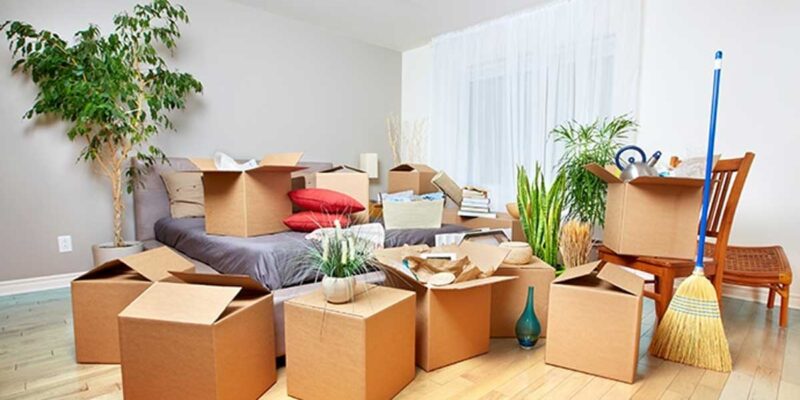
Properly preparing a house for a move involves more than just packing belongings into boxes. It improves moving efficiency, reduces the risk of accidents, and enables movers to work more quickly on moving day. Even for short distances, planning the layout of your new home can make the process smoother and less stressful.
Start with creating pathways
Clear the pathways throughout the house, including hallways, staircases, entryways, and doorways, of any obstacles that could interfere with carrying furniture or boxes. Temporarily remove decorative items, rugs, small tables, plants, and other objects that could cause someone to trip. Having clear access routes helps prevent injuries and reduces the likelihood of accidental damage to walls or furniture.
Protect the property
Floors are vulnerable to scratches, dirt, and heavy foot traffic during a move. Homeowners often use protective floor coverings, such as cardboard sheets or temporary runners, in high-traffic areas. Protective padding can also be used on wall corners, door frames, banisters, and railings, particularly when large furniture items must be maneuvered through tight spaces.
Make parking arrangements in advance
If possible, reserve a spot close to the entrance for the Burnaby moving company moving truck. The shorter the distance between the truck and the house, the less time it takes to carry items and the lower the risk of dropping them. In apartment buildings or communities with parking restrictions, obtaining any necessary permissions beforehand can help avoid delays.
Prepare the appliances
Refrigerators should be emptied, defrosted, cleaned, and dried before moving day. Washing machines and dishwashers should be disconnected according to the manufacturer’s recommendations and have their hoses drained to prevent leaks. Having appliances ready for transport helps avoid last-minute complications.
Manage the utilities at your current home
Homeowners should arrange the transfer, cancellation, or activation of utilities, such as electricity, water, natural gas, internet, cable television, and security systems, well before moving day. To avoid billing disputes, meter readings should be recorded before vacating the property. It is also advisable to confirm activation dates at the new residence in advance. Proper utility coordination ensures a smooth transition between residences and prevents interruptions to essential services immediately after moving.
Arrange supervision if needed
When your family includes children or pets, arranging supervision during the move is often beneficial. Moving activity creates noise and potential safety hazards, such as open doors. Keeping children and pets away from busy work areas allows movers to work more efficiently and improves safety.
On the moving day, conduct a final walk-through before the movers arrive to ensure that access routes, parking, and property protection measures are prepared.