Stress in dogs is more common than many owners realize. From loud noises and unfamiliar environments to changes in routine, dogs can experience anxiety for a variety of reasons. While occasional stress is normal, chronic anxiety can lead to behavioral issues and even health problems. As a responsible pet owner, understanding how to manage and reduce stress is essential for your dog’s well-being. With the right strategies, you can create a calm and supportive environment that helps your dog feel secure and happy.
Recognize the Signs of Stress Early
The first step in managing stress is knowing what to look for. Dogs often communicate discomfort through body language and behavior. Common signs include excessive panting, pacing, whining, or hiding. Some dogs may become destructive, while others lose interest in food or play. Pay attention to subtle cues like flattened ears, tucked tails, or avoidance behaviors. Early recognition allows you to intervene before stress escalates into more serious issues. Keeping a journal of your dog’s behavior can help identify patterns and triggers over time.
Create a Safe and Predictable Environment
Dogs thrive on routine and familiarity. Sudden changes in their environment, such as moving to a new home or introducing new pets, can cause anxiety. Establishing a predictable schedule for feeding, walks, and playtime helps your dog feel secure. Designate a quiet space in your home where your dog can retreat when feeling overwhelmed. This safe zone should include comfortable bedding and access to water. Consistency in daily activities reassures your dog that they are in a stable and caring environment.
Use Positive Reinforcement and Training
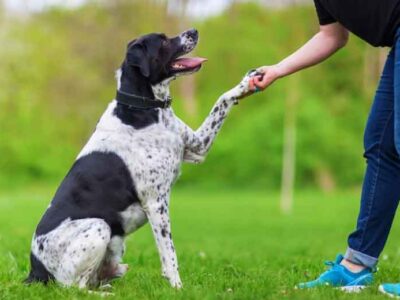
Training is not just about teaching commands; it can also reduce stress by building confidence. Positive reinforcement techniques, such as rewarding calm behavior with treats or praise, encourage your dog to associate relaxation with good outcomes. Avoid punishment, as it can increase anxiety and damage trust. Instead, focus on reinforcing behaviors that promote calmness, like sitting quietly or lying down on command. Short, structured training sessions can provide mental stimulation and help redirect nervous energy in a constructive way.
Incorporate Physical and Mental Stimulation
Exercise is a powerful stress reliever for dogs. Regular walks, play sessions, and interactive toys help release pent-up energy and reduce anxiety. Mental stimulation is equally important. Puzzle feeders, scent games, and obedience exercises keep your dog engaged and prevent boredom, which can lead to stress-related behaviors. Grooming can also play a role in reducing anxiety. Many owners schedule routine dog grooming in Brennan Station or their area to maintain their pet’s comfort and hygiene, which can alleviate stress caused by matting or skin irritation. A well-groomed dog often feels more relaxed and confident.
Explore Calming Techniques and Professional Support
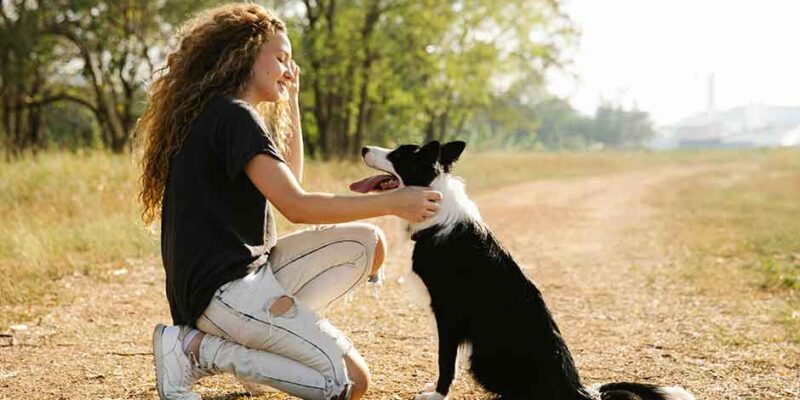
For dogs with persistent anxiety, additional calming strategies may be necessary. Techniques such as gentle massage, soothing music, or pheromone diffusers can create a relaxing atmosphere. In severe cases, consulting a veterinarian or a certified animal behaviorist is recommended. They can assess your dog’s condition and suggest tailored solutions, which may include behavioral therapy or medication. Professional guidance ensures that your approach is safe and effective, especially for dogs with chronic stress or underlying health issues.
Conclusion
Managing your dog’s stress requires patience, observation, and a proactive approach. By recognizing the signs early, creating a stable environment, and incorporating positive reinforcement, you can help your dog feel secure and content. Regular exercise, mental stimulation, and proper grooming further support emotional well-being. When needed, professional advice can provide additional tools for success. A calm and happy dog is not only healthier but also a more joyful companion, making stress management an essential part of responsible pet ownership.