Understanding the fundamentals of propane safety gives homeowners and outdoor enthusiasts confidence every time they work with fuel. This topic often comes up when adding grills, patio heaters, camp stoves, or portable tools, as propane remains a reliable source of controlled heat.
Safe habits start with learning how tanks behave, how they should be stored, and how the surrounding environment affects their performance. Following these practices builds a steady routine that helps people feel comfortable working with a resource that powers countless daily tasks.
Propane has a strong reputation for reliability. It transports easily, burns cleanly, and performs well across a wide range of temperatures. These qualities become even more valuable when storage methods reduce risks.
Good storage supports long-term performance and protects families, homes, and workspaces from preventable issues. A consistent routine begins with treating the tank itself as an essential part of a fuel system rather than an afterthought.
Handling Habits That Support Long-Term Propane Safety
Safe handling starts with recognizing how propane tanks respond to heat, movement, and pressure. Tanks are designed to manage high internal pressure, though they still depend on users to place them in the right environment.
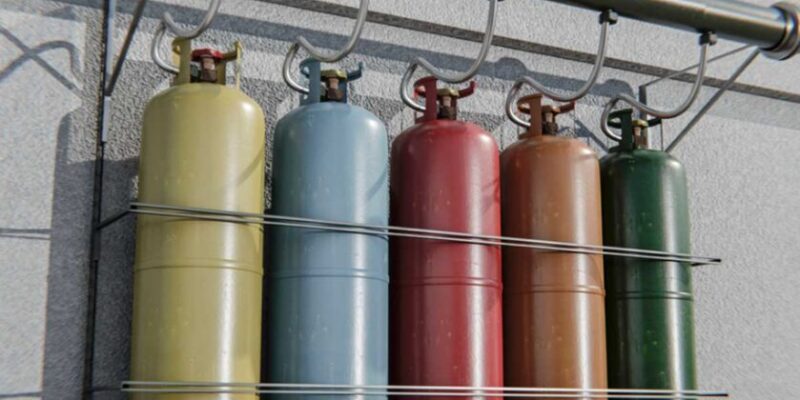
A safe mindset forms when people see tanks as stable pieces of equipment that require upright positioning and steady airflow. These principles keep pressure relief valves unobstructed, which supports proper operation during normal use and during unexpected temperature shifts.
Proper handling also influences how long a tank remains in good working order. Careful movements protect the exterior shell from dents and scrapes. A tank that has been handled gently maintains a more consistent seal and valve performance.
This attention helps people avoid problems that might arise during refills. It also encourages the habit of checking the exterior before each use. A quick inspection often reveals early signs of wear that may need professional attention.
Safe Storage Practices in Every Season
Storage choices matter throughout all seasons. Outdoor spaces work well for long-term placement because they maintain natural ventilation. Fresh air allows small traces of released gas to dissipate quickly.
Indoor storage shifts the risk level upward since enclosed spaces can trap gas and increase the likelihood of ignition. Garages, sheds, and basements feel convenient; however, they rarely match the ventilation benefits of open air.
Storing tanks outside, upright, and on a level surface helps reduce these concerns. It also simplifies access when the time comes to connect a tank to a heater, grill, or stove.
Temperature control shapes storage decisions even further. Extreme heat encourages pressure buildup inside the tank. For this reason, tanks should never be stored near high-heat appliances or in locations exposed to direct sunlight for extended periods. Shade plays a big part in long-term tank stability.
A sheltered corner, a covered patio, or the north side of a structure can keep temperatures more consistent throughout the day. Cold weather poses fewer problems for tank stability, though it still demands awareness. Ice buildup near the valve area can restrict movement, so brushing snow away helps maintain smooth operation.
Transporting Tanks With Confidence
Transporting tanks from storage to a refill station or campsite introduces another set of responsibilities. Tanks must remain upright in vehicles. Many people rely on simple tools such as milk crates or tank stabilizers to keep them steady.
Upright positioning protects valves, reduces rolling, and lowers the risk of accidental impact. When traveling with several tanks on wheels, users must secure them individually to limit movement during turns or abrupt stops. A tank that remains stable throughout a trip will offer predictable performance once it reaches its destination.
Connections, Accessories, and Safe Usage
Handling routines also involve checking connections each time a tank is attached to an appliance. The process feels simple; however, taking a few extra seconds to confirm a tight seal can prevent leaks.
Modern equipment has threaded connections that are easy to use, though they still work best when paired with the right components. High-quality propane accessories guide fuel flow and support controlled burning.
Many households keep extra connectors or regulators for backup. Having these parts available allows people to replace worn pieces instead of attempting makeshift solutions that might compromise safety.
A safe approach also depends on proper care of fittings and hoses. These elements carry fuel from the tank to the appliance, so they must remain in top condition. Sun exposure, friction, and age can wear down hose materials slowly.
A close inspection can uncover cracks, stiff spots, or discoloration that indicate it’s time for a replacement. Gradual wear often goes unnoticed until a minor leak appears. Regular checks are essential, as small maintenance tasks help identify problems early, preventing performance issues and reducing the risk of ignition.
Ventilation and Safe Operating Conditions
Ventilation matters greatly when using propane-powered equipment. Outdoor cooking appliances and heaters perform best in open spaces where gas can disperse freely.
Covered patios offer partial shelter, though users must still allow enough space for air to move around the appliance. Lack of airflow can cause incomplete combustion, which reduces efficiency and may introduce harmful byproducts. Indoor use requires extreme caution.
Only appliances specifically labeled for indoor operation should be used in an enclosed space. This rule applies even during winter when people feel tempted to bring outdoor heaters inside. It is safer to choose devices designed for interior use rather than modifying outdoor equipment for an inappropriate setting.
End-of-Life Disposal and Long-Term Care
The environment surrounding a tank also influences long-term care. Moisture, debris, and pests can weaken certain components or obstruct airflow. Regular cleaning removes leaves, dirt, and cobwebs that gather around stored tanks.
A clean area simplifies visual inspections and reduces the likelihood of rust forming beneath trapped moisture. Rust introduces surface weakness that might call for professional evaluation. Spotting it early allows people to replace aging tanks before a minor flaw grows into a performance concern.
Disposal practices hold equal importance. Tanks nearing the end of their usable life cannot simply be tossed in household trash. Many communities offer designated drop-off points or recycling centers that handle pressurized containers safely.
Bringing tanks to these facilities protects waste workers, prevents improper processing, and keeps hazardous materials out of landfills. Safe disposal completes the full lifecycle of a tank. It also reinforces the idea that propane equipment must be treated with consistent respect from purchase to retirement.
A Safer Experience Starts With Smart Habits
Propane supports many daily tasks, from cooking to heating to powering portable tools. Safe habits protect that convenience.
When people store tanks in the right location, handle them with care, inspect their components, and choose appropriate accessories, they shape a dependable fuel experience. Propane rewards those routines through steady performance and peace of mind.